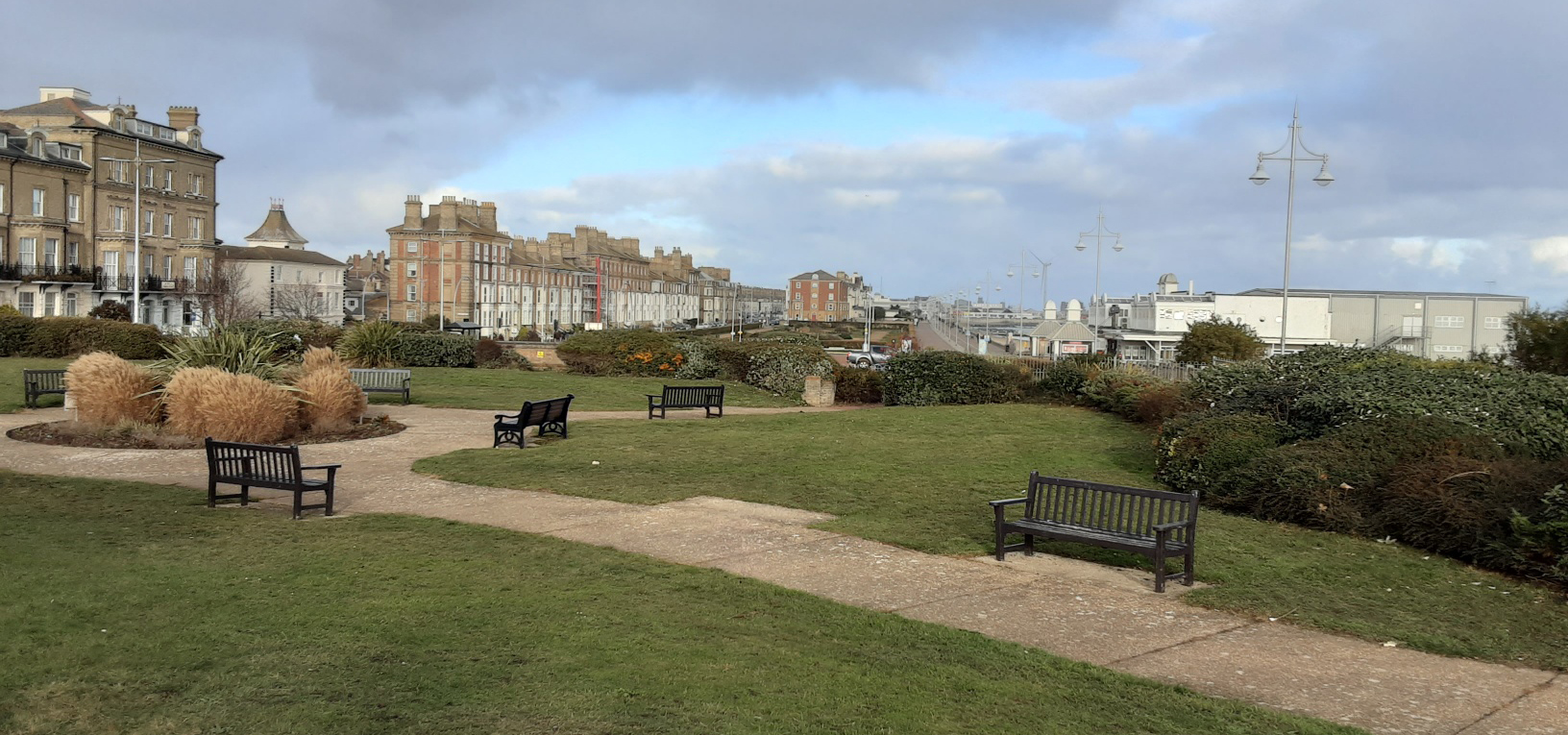
Following the meeting of East Suffolk Council’s Full Council on Wednesday 26th November, the Lowestoft Neighbourhood Plan has now been adopted and will be used for all future planning applications in Lowestoft until 2036
Lowestoft Town Council is encouraging residents to take part in the upcoming Neighbourhood Development Plan Referendum, a key opportunity for the community to influence how the town evolves in the years ahead.
The Neighbourhood Development Plan (NDP) is a locally developed planning document that sets out policies to guide future development in Lowestoft. Created in consultation with residents, the plan covers areas such as housing, transport, heritage, and the environment.
One of the plan’s key features is its emphasis on protecting and enhancing green spaces across the town. Sites such as Gunton Woods, Belle Vue Park, Sparrow’s Nest, and The Ness have been identified for protection due to their value for recreation, biodiversity, and community wellbeing.
If adopted, the NDP will become part of the statutory planning framework used by East Suffolk Council when making decisions on planning applications in the area.
Residents are encouraged to read the plan and take part in the referendum.
The Lowestoft Neighbourhood Development Plan includes 20 policies, divided into six categories: Seafront and Waterfront; Revitalising the Town Centre; Living; Environment and Place; Transport and Movement; and Sustainable Energy.
The full Plan, plus supporting documents and referendum information, can be found on the East Suffolk Council website.
Supports redevelopment of the East Point Pavilion site for tourism and visitor-related uses, encouraging landmark design and active frontages to enhance the seafront.
Promotes high-quality mixed-use development along the waterfront, with public access, active frontages, and sustainable design aligned with the Kirkley Waterfront Development Brief.
Encourages diverse town centre uses, residential development above shops, and heritage-sensitive regeneration to boost vitality and preserve character.
Supports mixed-use development and residential uses above shops, while protecting the centre’s historic character and encouraging active frontages.
Backs community-focused redevelopment of the Town Hall and adjacent land, preserving heritage and enabling civic, cultural, and employment uses.
Enables residential development through conversions, infill, and redevelopment, especially in sustainable town centre locations, while protecting retail ground floors.
Supports residential redevelopment of the historic hospital site, requiring sensitive refurbishment and complementary new buildings with green design.
Promotes housing that meets diverse needs, including accessible homes, tenure-blind affordable housing, and environmentally sustainable design.
Requires locally distinctive, sustainable design that responds to context, prioritises pedestrians, and incorporates biodiversity and carbon-reducing features.
Mandates biodiversity net gain and well-designed green infrastructure, with masterplanning and protection of ponds and natural features.
Encourages development to contribute to infrastructure improvements identified in the Town Infrastructure Investment Plan.
Supports environmentally sensitive development at the Port, with improvements to its boundary and public realm.
Preserves the character of the historic North Lowestoft area, including The Scores, while supporting creative design that respects heritage.
Protects the Victorian and Edwardian character of South Lowestoft, encouraging development that complements its historic townscape.
Promotes preservation and reuse of non-designated heritage assets, including South Pier, and protects historic parks and gardens.
Safeguards the strategic green landscape along the northern coastline for its recreational, ecological, and scenic value.
Designates 17 green spaces across Lowestoft for protection under national Green Belt policy, recognising their community and environmental importance.
Protects formal sports and recreation areas from development, allowing only improvements that support their recreational use.
Requires new development to prioritise walking, cycling, and public transport, with secure cycle storage, EV charging, and car-free options near the town centre.
Supports local renewable energy projects, provided they avoid significant harm to heritage, residential amenity, and the natural environment.

